


Pregnancy is a magical time when the biological rhythms of mother and child become one.
Over the course of 9 months, a woman's body transforms and prepares to give birth to a new life, and during this time, nutrition and lifestyle are of fundamental importance to ensure the well-being of the new mother and the baby.
There are foods that – it is well known – should be avoided during pregnancy: raw foods, alcohol, cured meats, and some cheeses. Is Parmigiano Reggiano among them?
Let's find out together if Parmigiano is good during pregnancy.
Cheeses in pregnancy: not all are safe
During pregnancy, fresh, soft cheeses with a "bloomy rind" should be avoided, meaning those cheeses covered by a thin white, velvety layer made of molds, usually harmless but potentially harmful to pregnant women. This category includes, for example, Brie, Camembert, and of course, Gorgonzola is also out of the question.
In general, foods that could be contaminated by viruses and bacteria should not be consumed. For this reason, it is recommended to wash and disinfect vegetables and avoid raw foods. Cooking kills bacteria and makes food safe to eat, without risks to the unborn child.
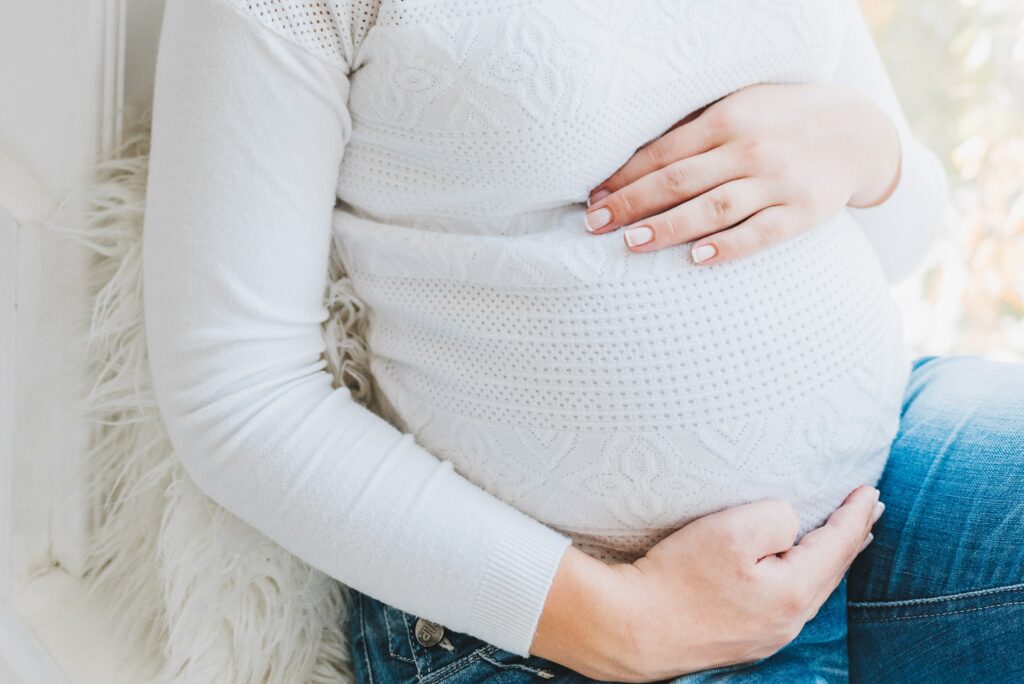
Is Parmigiano good during pregnancy?
To the delight of future mothers who love Parmigiano, yes!
Even if produced with unpasteurized milk, its aging for at least 12 months makes it safe.
Furthermore, if consumed in the right doses, Parmigiano in pregnancy can have beneficial effects and provide valuable nutrients, first and foremost calcium. 100 grams of 24-month Parmigiano, in fact, contain over 96% of the daily recommended calcium intake for pregnant women (1200mg according to the Bambino Gesù Pediatric Hospital).
During pregnancy, it is important to eat healthy and watch your figure. Parmigiano can be a tasty and versatile ally, and if you want to jot down some light and flavorful recipes, read this article!
Parmigiano and breastfeeding
Dairy products, during breastfeeding, should be consumed in moderation because milk proteins contrast with those in breast milk. On the contrary, Parmigiano is safe even in large quantities thanks to its long aging. This makes it naturally lactose-free, or rather reduces it to negligible levels, so we will have a nutritious and digestible food for the mother and indirectly also for the baby, without the danger of colic or intolerances.























