


Carbohydrates are substances made of carbon and water, and are mainly found in plant-based foods. They are a fundamental element in human nutrition because they are the main source of energy for the body and its functioning. They are also called glucides, and there are two types:
- Simple carbohydrates, commonly known as sugars.
This category includes monosaccharides, such as glucose and fructose, which have a very simple chemical structure, and disaccharides, which, as their name suggests, are formed by the union of two monosaccharides, examples of which are sucrose, lactose, and maltose. Finally, there are oligosaccharides, which are formed by a limited number of monosaccharide molecules and are often used in the composition of energy supplements.
- Complex carbohydrates.
They are also called polysaccharides, as they are composed of a multitude of monosaccharide molecules, usually from 10 to thousands. They can be of plant or animal origin.
Are there carbohydrates in Parmesan?
Parmigiano Reggiano is one of the foods with the lowest carbohydrate content: the percentage of carbohydrates present in Parmesan is so low that it borders on zero, as also stated in the nutritional table on the official Parmigiano Reggiano DOP website.
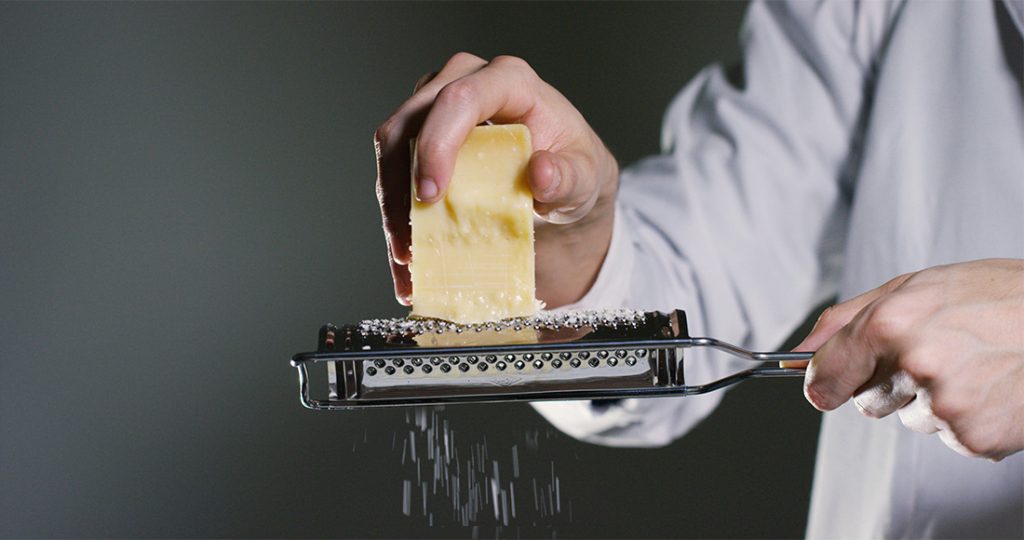
One of the glucides typically found in dairy products is lactose, a disaccharide. However, we know well that during the processing of milk for Parmesan production, lactose is broken down and completely eliminated, which is why even those who are intolerant can enjoy the goodness of Parmigiano Reggiano.
The surprising thing is that alongside Parmesan, for the negligible amount of carbohydrates contained, we find zucchini, butter, coffee, fish, fresh meat, and only a small number of other cheeses, namely brie, stracchino, and camembert. Other cheeses contain carbohydrates in varying quantities depending on their nutritional characteristics and the processing methods used to produce them. The richest in carbohydrates are Emmental, feta, ricotta, and sheep cheeses...
The fact that Parmigiano Reggiano contains no carbohydrates makes it an excellent food for various types of diets: from that of athletes, who need calcium and protein but cannot overdo it with carbohydrates, to low-carb diets, literally "with few carbohydrates," because the absence of carbohydrates is compensated by the presence of proteins and saturated fats considered "good" for the body. In short, Parmigiano Reggiano is a truly special cheese, and not just for its unique taste. Nutritionally, it is a true gem.
Try our Parmigiano Reggiano DOP, artisanally produced in the spirit of tradition!























